Enhancing preparation and motivation
in the classroom with interactive displays
March - 2025
Interactive displays:
dynamic, collaborative learning
dynamic, collaborative learning
As we move further into the age of digital education, it is crucial to understand how to make the most of interactive displays to create a more dynamic, collaborative and effective learning environment.
If your school has a Synetech interactive display, explore EdBlog and optimise the teaching and learning experience through smart integration.
If your school has a Synetech interactive display, explore EdBlog and optimise the teaching and learning experience through smart integration.
What does it mean to have an interactive display?
Advantages of using interactive displays in the classroom
Advantages of using interactive displays in the classroom
Improving the presentation of information
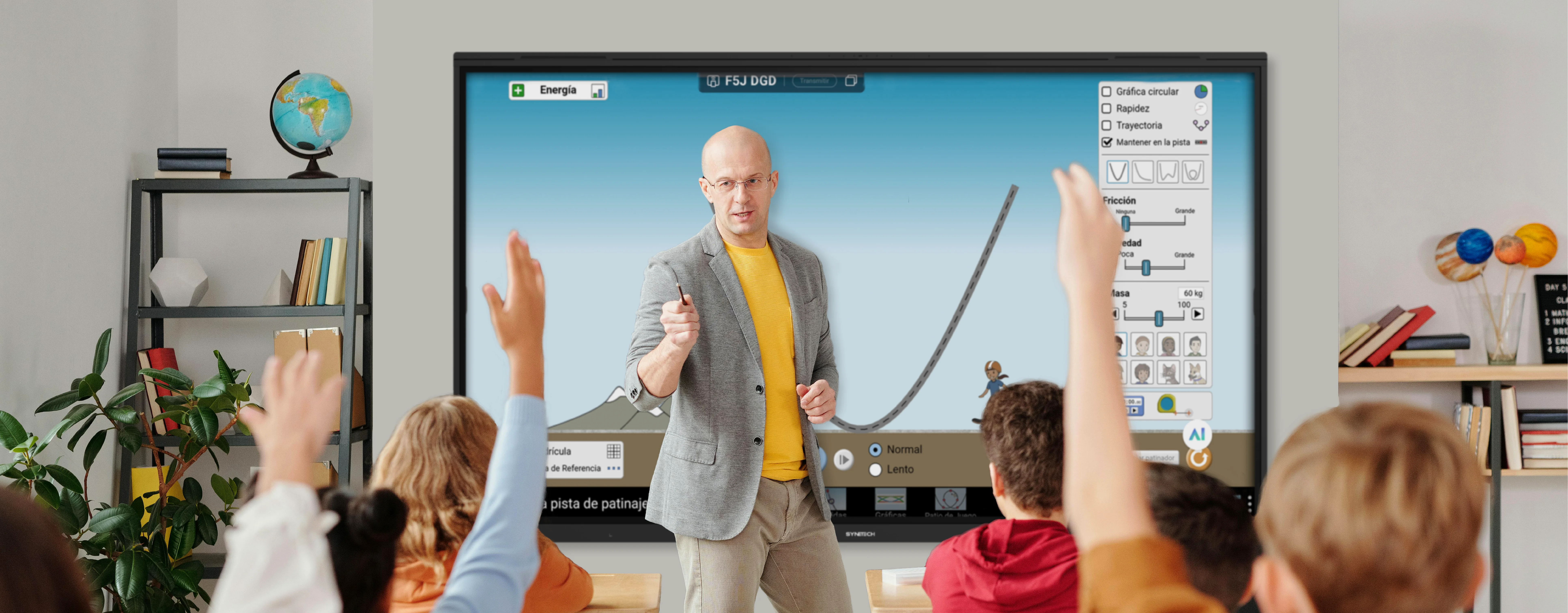
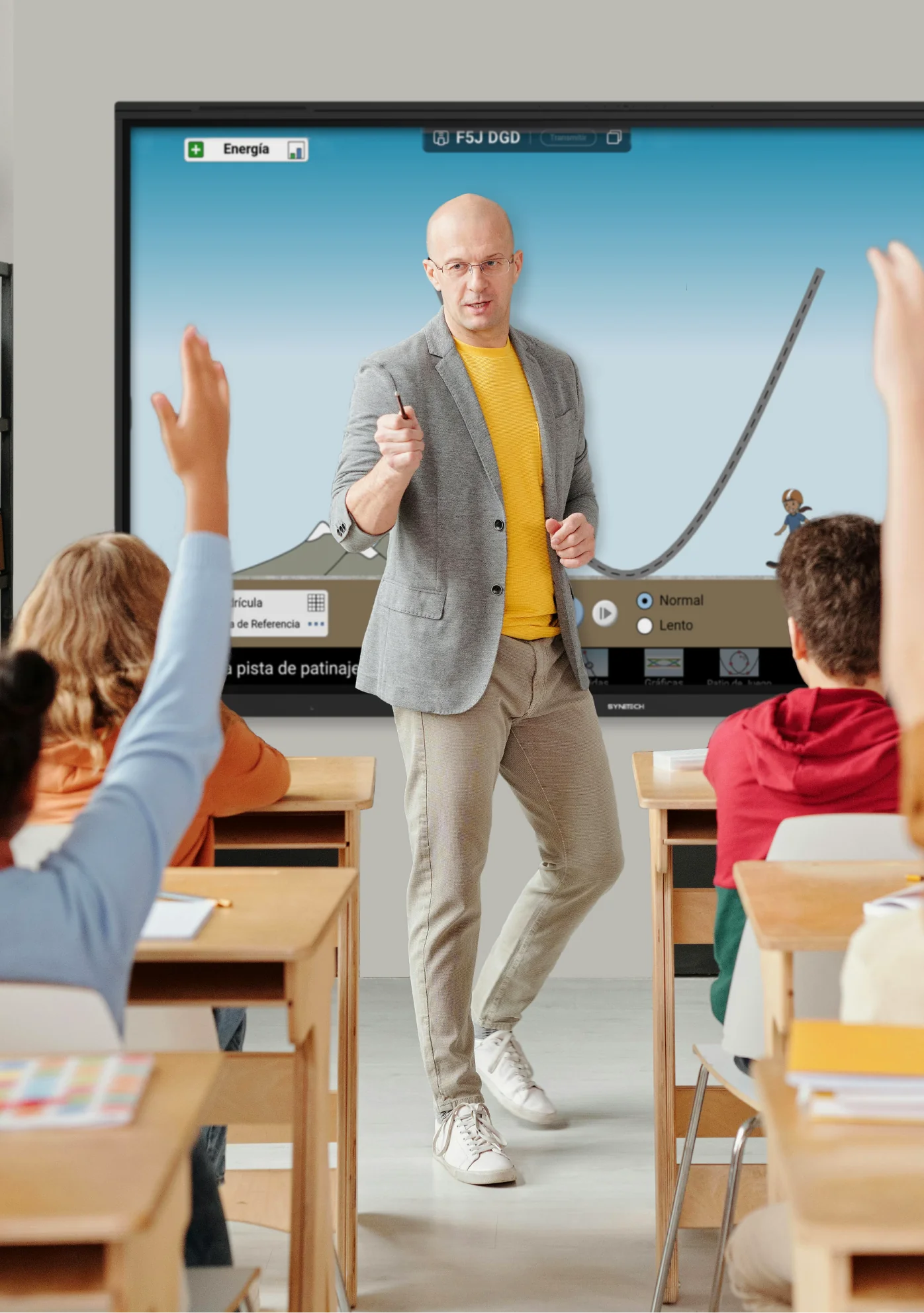
From improving how content is presented to encouraging active student participation, one of the most notable advantages is the ability of these displays to present information in a more visual and dynamic way. Teachers can use a wide range of multimedia resources, such as videos, animations and interactive graphics, to illustrate complex concepts in a more accessible and engaging manner. This multisensory presentation of content not only captures students' attention, but also makes information easier to understand and retain, especially for students with visual or kinaesthetic learning styles. Synetech Class includes examples of educational activities
Additional interaction for students
The inherent interactivity of our interactive displays encourages more participatory, collaborative learning. Students can interact directly with the content by manipulating virtual objects, solving problems in real time and taking part in interactive group activities. This participation not only increases students' engagement with the material, but also promotes the development of critical skills such as analytical thinking, problem-solving and effective collaboration.
Preparing teachers
From a teacher-preparation perspective, interactive displays offer unprecedented flexibility. Teachers can create, save and reuse interactive lessons, adapting them easily to the specific needs of each class or group of students. Instant access to a wide range of digital resources and educational tools enables teachers to respond quickly to students' questions and explore topics in greater depth as interest arises in the classroom. Synetech OS is a notable example of the tools available to teachers
On-the-spot feedback
Integrating real-time assessment tools is another significant advantage. Many interactive displays allow teachers to conduct polls, quizzes and quick assessments during lessons, providing immediate feedback to both students and teachers. This continuous formative assessment enables teachers to adjust their teaching as they go, identifying and addressing areas where students are struggling more efficiently. Synetech Class makes this a reality.
Breaking down barriers in the classroom
Integrating real-time assessment tools is another significant advantage. Many interactive displays allow teachers to conduct polls, quizzes and quick assessments during lessons, providing immediate feedback to both students and teachers. This continuous formative assessment enables teachers to adjust their teaching as they go, identifying and addressing areas where students are struggling more efficiently. Synetech Class makes this a reality.
Increasing student interest
The motivational aspect of interactive displays should not be underestimated. The novelty and appeal of the technology can increase students' interest in and participation with the material. In addition, the ability of these displays to support game-based learning and gamification can make the learning process more engaging and rewarding for students.
Strategies for maximising the use of interactive displays
To make the most of the potential of interactive displays, it is essential to implement effective strategies that integrate these tools meaningfully into the teaching and learning process.
1. Lesson planning
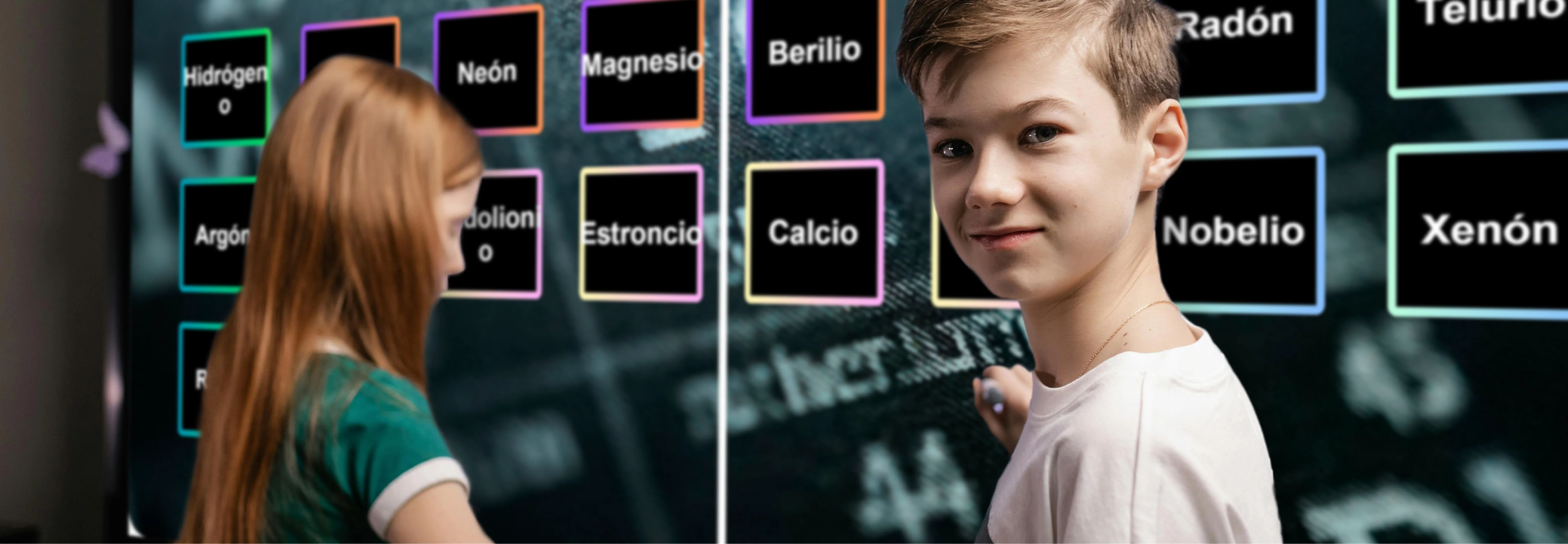
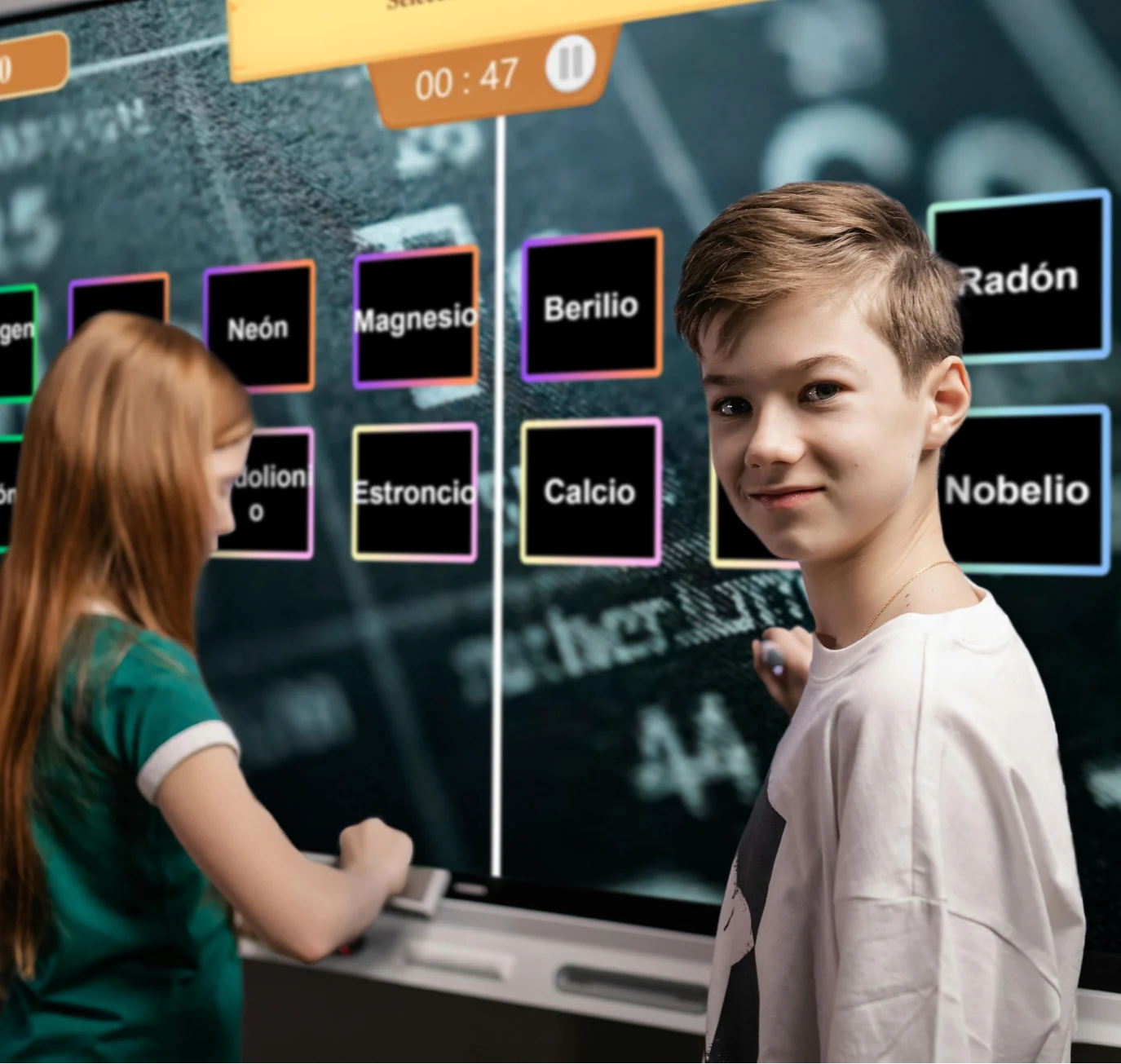
One key strategy is to plan lessons carefully and incorporate interactive elements that encourage active student participation. This may include designing activities that require students to interact directly with the display, such as arranging items, solving problems in groups or creating collaborative presentations. The key is to use interactivity not as an end in itself, but as a means of deepening understanding and engagement with the material.
2. Project-based techniques
Another effective strategy is to implement project-based learning techniques, using interactive displays as a hub for collaboration. Teachers can create virtual workspaces where students develop long-term projects and share ideas, resources and progress in real time. The displays' ability to show and manipulate a variety of content types makes them ideal for this kind of multidisciplinary, collaborative learning.
3. Technology as a teaching ally
Using an interactive display as a gateway to virtual and augmented reality experiences is an innovative strategy for enriching learning. Teachers can use these technologies to create immersive experiences that allow students to explore historical settings, conduct virtual scientific experiments or practise skills in simulated scenarios. Teachers can also compile and organise a library of multimedia resources, interactive activities and reference materials that students can access easily during lessons or for independent study.
4. Encouraging content creation
Teachers can set projects that require students to create interactive presentations, explanatory videos or infographics using the tools available on the interactive display or the range of apps in the Google Play Store, thanks to EDLA certification. Teachers can also create and share instructional content for students to review before class, freeing up classroom time for interactive activities and deeper discussions. During lessons, the interactive display becomes a hub for collaborative analysis and the practical application of knowledge. Integrating online collaboration tools through the interactive display can extend learning beyond the classroom walls. Teachers can facilitate collaborative projects with other classes or schools, organise virtual tutoring sessions or connect students with experts in different fields. This strategy not only enriches the learning experience, but also develops global communication and collaboration skills.
Impact on student motivation
and engagement
and engagement
The nature of technology in education has had a significant impact on student motivation and engagement. This positive effect stems from a combination of factors, including the novelty of the technology, enhanced interactivity and the ability of these tools to accommodate different learning styles. Presenting information in a visually appealing way, with vivid colours, animations and interactive elements, creates a more stimulating learning environment than traditional text-based methods.
The inherent interactivity of these displays encourages more participatory learning. Students are no longer passive recipients of information; they become active participants in the learning process. The ability to manipulate virtual objects, solve problems in real time and receive immediate feedback creates a sense of ownership and control over their learning. This active participation not only increases engagement, but also improves retention and understanding of the material. Interactive displays also enable greater personalisation of learning, which can have a positive effect on motivation. Teachers can easily tailor content and activities to students' individual needs and interests. This ability to differentiate makes learning more relevant and meaningful for each student, thereby increasing their intrinsic motivation to participate and learn.
The impact of interactive displays on student motivation and engagement is multifaceted and significant, from increasing active participation and personalising learning to fostering collaboration and providing immediate feedback. As teachers continue to explore and refine the use of interactive displays, their positive impact on student motivation and engagement is likely to keep growing, contributing to more effective and rewarding learning.
MEET THE TEAM

Joshua
Writing

Julia
Editing

Álvaro
Layout
Share


Keep up to date with all
the latest education news.
the latest education news.

Artificial intelligence
in the workplace

Interactive displays
vs digital whiteboards

How digital displays
improve your team's performance

The metaverse
in education
find out more