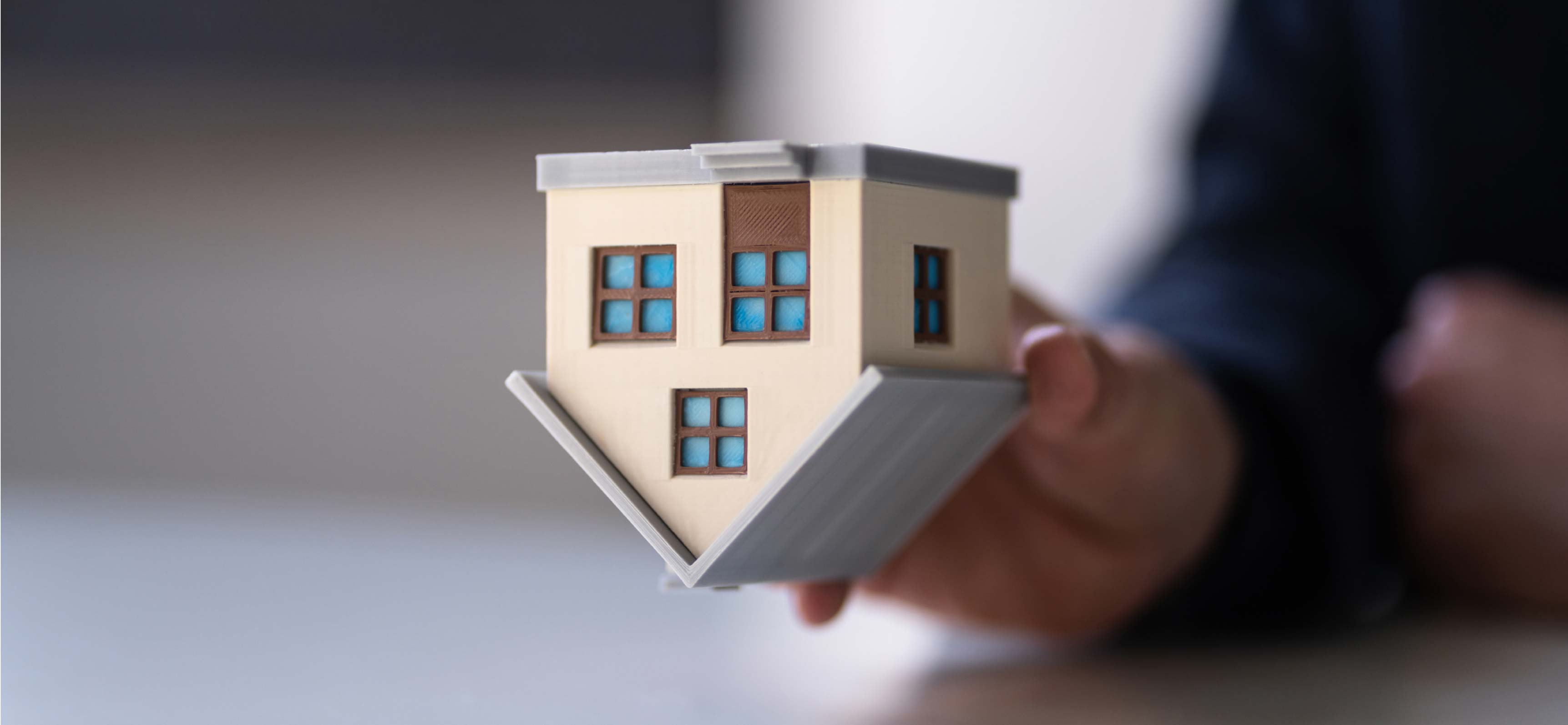
Interactive Displays
in the flipped classroom
Guide to integrating interactive displays in the flipped classroom
The flipped classroom: basic concepts
The flipped classroom represents a significant change in traditional teaching. This innovative pedagogical model proposes a new learning dynamic in which students take a more active and responsible role in their own educational process.
In the flipped classroom, students carry out individual study at home using videos or other materials, and actively participate in classroom activities. This approach seeks to explore students' curiosity, intuition and responsibility for their own learning, providing a more interactive and dynamic environment.
The flipped classroom adapts better to the language and pace of contemporary students, promoting a closer relationship between teachers and students and intensifying collaboration among students themselves. This method gives more time to resolve questions and consolidate knowledge in class. Here, interactive displays play a fundamental role in implementing the flipped classroom. These technological tools allow students to access educational content in a more engaging and dynamic way, making complex concepts easier to understand and encouraging active participation in the learning process.
Advantages of the flipped classroom
Personalised learning: Students have the freedom to spend the time needed reviewing educational material in search of optimal understanding. This process is enhanced by the integration of technological innovations such as interactive displays.
Development of key skills: The flipped classroom encourages student autonomy and promotes digital competence through the use of new technologies. It also develops skills for organising, planning, exchanging opinions and processing information through collaborative work.
Flexibility and accessibility: Learning content, often provided through online courses and recorded lessons, allows students to learn from anywhere and at any time.
Interactive displays: a key tool for the flipped classroom
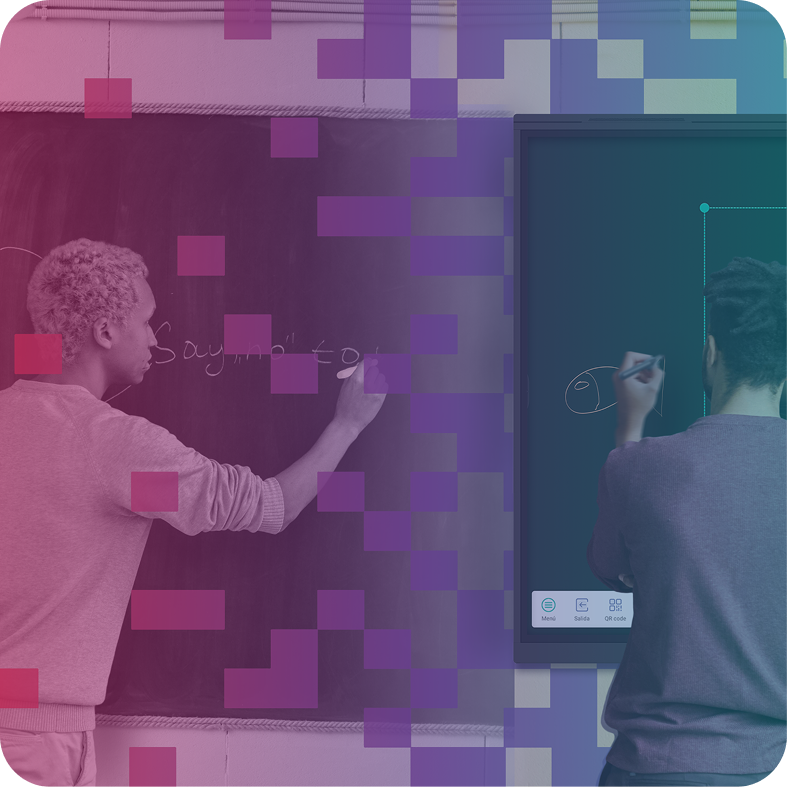
Interactive displays have become an essential element in the digital transformation of classrooms and are particularly valuable in the flipped-classroom model. These devices combine the features of a panel with the ability to interact directly with content, opening up a world of possibilities for delivering lessons in a dynamic and participatory way.
Key features:
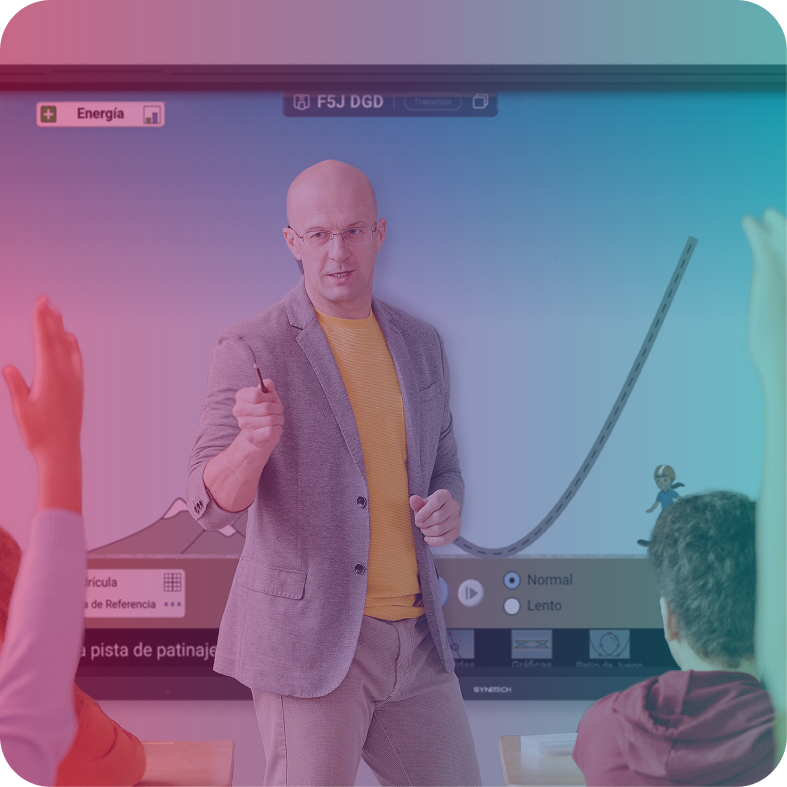
Interactive displays offer a number of significant advantages for both teachers and students. One of their most notable features is their ability to foster active and interactive learning. Students can actively take part in this process by touching, swiping, drawing and writing on the interactive display in a fluid and natural way.
Interactive displays allow teachers to use a wide variety of multimedia resources, such as videos, animations, games and educational apps, enriching the learning experience and providing multiple ways to interact with content. In addition, thanks to their Internet connection, they offer instant access to online resources such as encyclopaedias and databases, expanding the scope of the classroom beyond traditional textbooks.
Compatibility with different devices:
Interactive displays are designed to optimise connectivity within the classroom. They enable the wireless transmission of documents and presentations between the interactive display and devices such as computers, tablets and mobile phones. This feature facilitates the implementation of the flipped-classroom model, as students can access educational material from the cloud, upload and download documents easily, and collaborate with the class in person or remotely.
Educational software and apps:
Interactive displays come equipped with a variety of software and applications designed specifically for education. For example, our interactive displays include EdSuite educational software, which offers endless options for motivating students.
Our interactive displays incorporate the Android operating system, which offers all the functions of a tablet the size of a television, including an Internet browser, multimedia player, whiteboard software and annotation tools. In addition, thanks to their Google EDLA certificate, they provide integrated access to the Google Play Store.
In short, interactive displays are a key tool for the flipped classroom, offering features that promote active learning, collaboration and interaction with content. Their compatibility with a range of devices and the wide range of available educational software and apps make them an invaluable resource for transforming classroom dynamics and improving the educational experience for teachers and students alike.
Strategies to maximise the use of interactive displays
Designing interactive activities: To make the most of the potential of interactive displays in the flipped classroom, it is essential to design activities that encourage students' active participation. These activities should be dynamic and engaging, making the most of the unique capabilities of interactive displays. Interactive displays make it possible to use a wide variety of multimedia resources, such as videos, animations and educational apps, which enrich the learning experience. Teachers can use advanced touch features to present content in an engaging way.
Encouraging active participation: Interactive displays are an effective tool for encouraging students' active participation in the classroom. It is important to encourage students to interact with content, ask questions, take part in discussions and share their ideas. This creates a dynamic and stimulating learning environment. To achieve this, you can use interactive applications such as Synetech Note.
Collaboration among students: Interactive displays facilitate collaboration among students, allowing them to work together on projects and research. Students can share ideas, debate and present their results interactively. Our interactive displays offer educational software, such as Synetech Class and the AirClass interactive tool, to maximise student participation and learning.
Students can use these collaboration tools and others with online features to share ideas, carry out joint research and create team projects.
Conclusions
The success of the flipped classroom with interactive displays depends on teachers' ability to design engaging and relevant activities. By combining effective teaching strategies with the technological capabilities of interactive displays, it is possible to create learning environments that motivate students and improve educational outcomes. This innovative approach has the potential to transform education, making it more accessible, effective and tailored to each student's individual needs.
Discover the skills developed through collaboration

Shall we talk?
Contact us for more information about SYNETECH's audiovisual solutions. Our professionals will contact you as soon as possible.