Artificial Intelligence
in the world of education
Artificial Intelligence
Understanding the branches of AI
The branches of AI include areas of study such as:
Machine learning AI: Focuses on developing algorithms capable of learning and improving from data; natural language processing AI focuses on machines understanding and generating human language; and computer vision AI aims to enable machines to interpret and understand images and videos. Each of these branches has its own characteristics and specific applications, contributing significantly to the advancement of artificial intelligence in different fields.
Generative AI is a branch of artificial intelligence that learns from vast datasets to generate new content that mimics human understanding.
This technology has given rise to tools such as ChatGPT, Microsoft Copilot, Gemini and Claude, which have become prime examples of how generative AI can help people in a variety of professions increase their productivity and creativity. For teachers, understanding how these generative AI models work is crucial to creating effective learning environments. By understanding the capabilities and limitations of these tools, teachers can harness their potential to improve teaching and learning.
An ally in learning
Generative artificial intelligence has become a powerful ally in education, transforming the way we learn and teach. This innovative technology is opening new doors in the world of learning, offering possibilities that once seemed out of reach. Its ability to break down complex ideas through interactive and multimedia content, provide quick access to information and adapt learning to each student's individual needs makes it an extremely valuable tool.
This emerging technology offers a wide range of possibilities that are transforming both teaching and learning. However, it is crucial for teachers to instruct students in the ethical and appropriate use of these technologies, emphasising that AI is a complementary resource rather than a substitute for critical thinking and human reasoning.
Benefits of AI
Incorporating AI into education can bring numerous benefits:
Virtual assistants and chatbots: AI-powered virtual assistants can answer questions, provide feedback and guide students through learning content. Chatbots can also simulate conversations and provide personalised feedback.
Accessibility: AI can make education more accessible to students with special needs by translating content, generating subtitles and adapting interfaces.
Automated assessment: AI can grade assignments, exams and projects efficiently and accurately, saving teachers time and effort. It can also provide students with personalised feedback, enabling them to identify and address their weaknesses.
Personalised learning: AI can analyse each student's learning patterns and adapt content and teaching methods to meet their individual needs. This leads to more effective learning and better knowledge retention.
Practical applications of AI at school
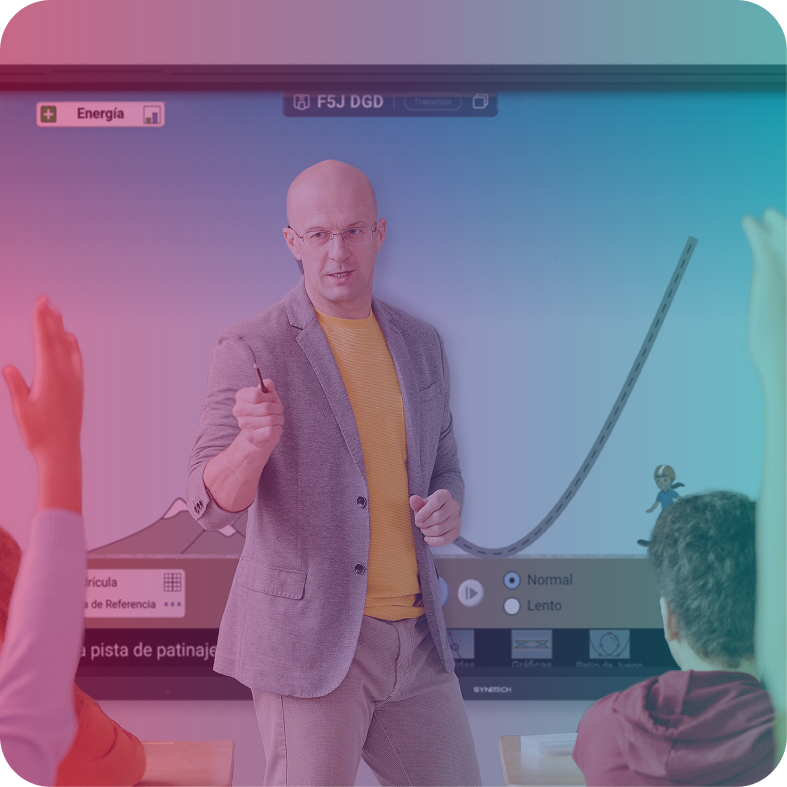
From summarising extensive notes to creating interactive content for different subjects, AI tools empower students to approach more complex projects with confidence. These applications not only make learning more interactive, but also prepare students for a digital future. As AI becomes increasingly integrated into education, numerous success stories are emerging that demonstrate its potential to improve learning for new interactive generations, including the following tools:
Virtual learning assistants
Platforms such as Century Tech and Thinkster Math have developed AI-powered virtual assistants that guide students through personalised learning content, provide feedback and adapt lessons to their specific needs.
Automated assessment and feedback
Tools such as Gradescope, Revision Assistant and Turnitin use AI algorithms to assess assignments automatically and written work, providing detailed feedback and consistent grades.
Learning analytics
Platforms such as Knewton and Coursera use machine learning techniques to analyse learning data from students and personalise content and recommendations according to their patterns and needs.
Accessibility and translation
Tools such as Microsoft Translator and Google Translate use AI to translate educational content into multiple languages, making education more accessible to students from different linguistic backgrounds.
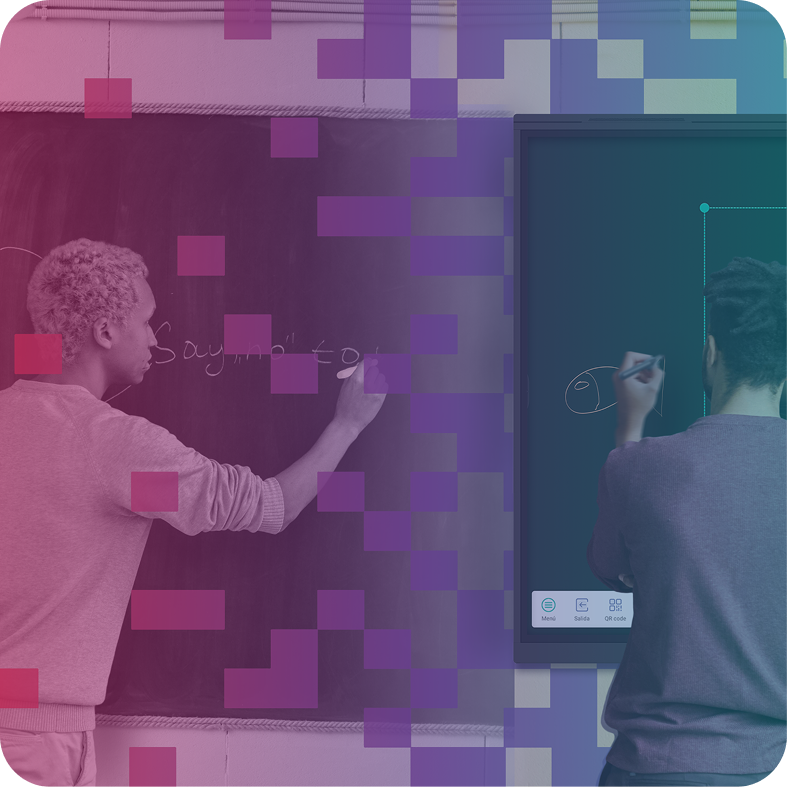
The journey through AI in education does not end with knowing which tools are available; it is about integrating these technologies thoughtfully and ethically into educational practices. Ultimately, as teachers and students venture into the world of AI, balanced integration is key. By fostering an environment where technology enhances critical thinking and creativity, we prepare our students not merely to succeed, but to excel in a future where AI is ever-present.
Stay tuned for our take on AI and our solutions

Shall we talk?
Contact us for more information about SYNETECH's audiovisual solutions. Our professionals will contact you as soon as possible.